
Pet insurance
Creating better lives for animals. Pet insurance to protect your pet, and a commitment to have a positive impact on animal welfare.


Creating better lives for animals. Pet insurance to protect your pet, and a commitment to have a positive impact on animal welfare.
Animal Friends pet insurance customer reviews
What does Animal Friends pet insurance cover?
Our multi-award-winning pet insurance, has flexible cover options and vet fee cover from £1,000 to £18,000 giving you the power to choose the type and level of cover that's right for your pet's needs and your budget. Plus many more benefits, including:
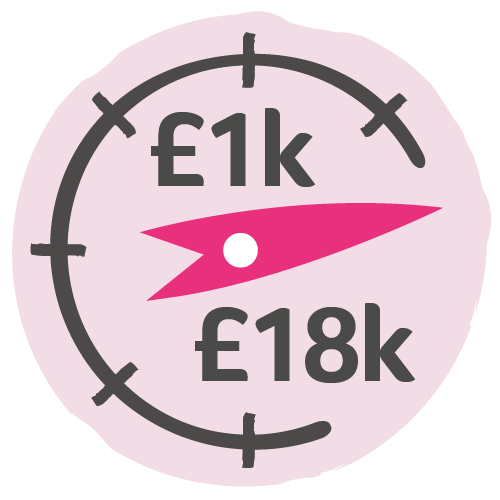
Vet fee cover from £1,000 to £18,000 - Choose a level of vet fee cover to suit your needs and budget.

Treatment pre‑authorisation
In as little as an hour, get peace of mind that treatment will be covered before it goes ahead.
Free online vet support - Dog and cat customers can call on a vet or vet nurse at any time of the day or night, any day of the year.

We can pay your vet
We can send payments direct to your vet so you can focus on your pet and not the bill.

Public Liability - Most of our pet insurance policies provide cover in the event your pet injures someone or damages their property.

Missing or stolen pet - Most of our pet insurance policies can help towards the cost of finding your dog or cat if they're stolen or go missing.

Behavioural therapy - Our Prestige, Lifetime £10,000 and £18,000 policies cover behavioural therapy, including training to address behavioural issues like separation anxiety.

Dental - Most of our dog and cat insurance policies cover dental accidents, with some covering both dental accidents and illnesses.

1 million pets insured
Over 1million four-legged friends insured nationwide as of May 2026.
What is Pet Insurance?
Explore our frequently asked questions to answer common questions about pet insurance, including; what it is, the different types available, costs and how to compare policies to find the right policy for you and your pet.
All our pet insurance policies are subject to terms and conditions; please read them carefully to understand what you're covered for.
Every pet insurance policy will include a level of cover to help support with vet treatment and medication – this is the foundation of all pet insurance.
Depending on the insurer and the policy, the cover available for vet bills may come with additional benefits, such as access to supplementary services like free vet video consultations. They may also provide extra assistance in specific circumstances, like Third Party liability cover, complementary therapies, or help towards advertising and rewards costs should your pet go missing.
The treatments you can claim for, how much you can claim, and anything not covered by your policy is detailed in your chosen policy’s Terms and Conditions.
This is why it’s important to make sure you read your policy Terms and Conditions when you buy insurance.
Pet insurance is there to help protect you against unexpected costs related to your pet, such as vet bills if your pet falls ill or gets injured and needs treatment. But pet insurance can also have additional benefits, such as cover when your pet dies or is put to sleep, or if they injure someone or damage their property.
Many pet insurance providers will offer different types of policies, sometimes with a range of cover, allowing customers to select the level of cover that suits their needs and their budget.
Pet insurance prices typically depend on the type of policy and level of cover chosen, along with the breed, location, age, and a number of other factors. Most UK pet insurers allow customers to pay annually or monthly to help spread the cost, and can also provide vet bill payments directly to the vet practice for eligible claims.
There are four types of pet insurance policies you can choose from, these are:
- Accident Only – protects your pet only in the event of an accident; does not include cover for illnesses.
- Time Limited – covers each new condition for 12 months, from the date your pet first shows signs or symptoms, or until you reach your vet fee limit – after which, you will not be able to claim for that condition again.
- Max Benefit – provides a set amount of cover for each condition, with no time limit as to how long you can claim while the policy remains active. Once the cover limit is reached, you will not be able to claim for that condition again.
- Lifetime – includes cover for long-term, chronic, or recurring conditions as well as short-term illness and injury, if the policy is renewed every year.
For policies such as Time Limited, Max Benefit and Lifetime, a pet insurance provider may also offer different levels of vet fee cover to choose from too. The level of cover you choose should be based on your and your pet’s needs.
All pet insurance policies are subject to Terms and Conditions – it is very important to read them carefully to understand what you're covered for.
It should be noted that not all pet insurance providers will offer all four types of cover.
The “best” policy will look different for everyone, as it will depend on both your pet and your unique circumstances. For instance, certain breeds are more prone to suffering from some health conditions than others – which will need to be considered when you’re searching for your ideal insurance policy.
Additionally, you’re the best person to know whether you can afford to cover unexpected vet bills.
To find the most appropriate level of insurance for your pet (and your pocket!), you’ll need to research the options available from a range of companies.
Insurance companies in the UK are legally obligated to understand and assess your needs and then present you with policies and cover levels that will meet these needs. To do this, they ask you questions about your pet and your circumstances, in order to present you with the most suitable insurance product(s) they offer along with the price.
This means it’s important to answer the questions accurately and truthfully when requesting a pet insurance quote.
Top tip: While looking for the pet insurance policy that’s right for you, check the benefits available as some of these may provide extra services that could help with pet care issues such as free vet video consultations.
The price of pet insurance will depend on a number of things, including:
- Your pet’s age.
- Your pet’s breed.
- Your pet’s gender.
- Your pet’s claims history.
- Your location.
- Veterinary care costs in your area.
- Type of insurance policy you choose.
So, your individual circumstances, along with your choice of policy will have an impact on the cost of your pet insurance.
Some providers offer ways in which you can adjust the cost of your insurance by making changes to either your policy type, cover level, excess level or payment frequency. Additionally, if optional benefits are also available these can be adjusted to help manage the cost of your policy.
We all know that pets are part of the family, and we want the best for them. But like most family members, they too can sometimes be unpredictable. Being prepared for any potential health issue or injury, can help take away a lot of concern and worry.
It is also worth noting that as a pet owner in the UK, you are legally responsible for your pet’s welfare – and one of those responsibilities involves protecting your pet from, and treating them for, illness and injury. This means that if your pet ever needs treatment for an illness or injury, you must pay for that treatment.
Some pet owners may have enough money set aside in the event that the worst were to happen (this is known as “self-insurance”), but this isn’t the case for everyone. Additionally, even those who self-insure may find themselves at financial risk if their pet gets ill or injured before they’ve had time to save enough money, and/or find that the treatment costs are more than they have available.
So, this is where pet insurance can be beneficial - having a pet insurance policy in place can help make sure your pet receives the treatment they need, when they need it, to restore their health without breaking the bank.
Every pet insurer will price their policies differently, which is why it’s important to do your research before you buy. Typically, pet insurance renewal prices are based on a combination of things that don’t change, and things that do change – all of these will impact the cost of your policy each year .
Things that don’t change include your pet’s breed, gender and purchase cost, and the policy you selected. Things that do change include your pet’s age, your location (if you have moved), vet treatment costs, and claims.
We believe pet insurance should do more than protect the animal you love. Since Animal Friends was founded in 1998, creating better lives for animals has been at the heart of what we do.
By choosing Animal Friends, you’re not only helping to protect your pet - you’re supporting a company committed to making a positive difference to animal welfare and conservation. See how we help animals.

Lifetime
Lifetime policies cover long-term, chronic or recurring conditions, short term illness and injuries for the lifetime of your pet so long as your renew your policy.

Max Benefit
With Max Benefit policies you can claim up to a set amount for vet fees for each condition until your chosen vet fee limit has been reached with no time limit.

Time Limited
Our Time Limited policies can provide cover for vet fees for accidents and illnesses up to your chosen vet fee limit, for a maximum of 12 months.

Accident only
Our Accident Only policies aim to cover vet fees for dogs or cats if they have an accident. It doesn’t cover you for any illnesses or diseases they might have.
Horse insurance

Time Limited Horse Insurance
Our horse insurance is a Time Limited product. This means cover is provided for each accident or illness for up to 12 months or until the vet fee limit is reached.




Love being with Animal Friends?
Refer a friend and you'll both get a £40 voucher when they take out their first policy with us. T&Cs apply.
Manage your Animal Friends pet insurance policy in My Account

Manage your policy
Mange your address, payments, microchip numbers and policy documents
Visit the Treat Tin
Enjoy exclusive partner discounts and offers all as part of your policy accessed through your account.

Track claims
Submit repeat medication claims online and upload any documents we ask you to send us for existing claims.
Supporting animal welfare

Over £10 million donated
We've supported more than 830 animal welfare charities and conservation organisations globally, with over £10 million donated as of January 2026.

Animal welfare funding
We fund a range of initiatives and causes, including emergency appeals and long-term animal welfare needs.
The charitable work undertaken by Animal Friends Insurance is not regulated by the Financial Conduct Authority.
Animal Friends pet insurance FAQs
Your puppy or kitten must be at least 4 weeks old and must live with the policyholder to be insured. If you’re welcoming a new four-legged family member, learn more about our puppy insurance or kitten insurance, including the cover and support available as they grow.
Yes, we can insure senior pets.
To help us keep premiums as low as possible, when your dog turns 8 years of age, or your cat turns 10 years of age, a co-payment will apply to your policy from your next renewal date (or at the point of taking the policy out, if they have already reached that age).
The co-payment is 20% and is paid by you each time you make a vet fees claim in addition to your excess. Full details can be found in 'Your Schedule' and in your online account.
Looking for cover for an older pet? Find out more about older dog insurance and older cat insurance, including how cover works as your pet gets older.
To find out which breeds are excluded, please visit our lists of excluded breeds for cat policies and dog policies.
We don’t cover any accident or injury that happens within the first 2 days of your policy start date, or any illness within the first 14 days. We also don’t cover any claims involving cruciate ligaments for the first 14 days.
Pre-existing conditions aren't covered by our policies. We consider a condition to be pre-existing if it was first noticed before your policy start date or within the waiting period, whether they needed treatment previously or not. These conditions will be excluded from cover.
Most of our dog and cat insurance policies cover dental accidents, with some covering both dental accidents and illnesses.
- Accident Only includes dental treatment for accidents, up to £500.
- Time Limited includes:
- Dental accident cover up to £750 with a Prime policy
- Dental accident and illness cover up to £1,000 with a Prime Plus policy.
- Max Benefit includes:
- Dental accident cover up to £750 with a Max Plus policy
- Dental accident and illness cover up to £1,000 with a Max Extra policy.
- Lifetime Annual includes
- Dental accident cover up to £750 with our Lifetime £2,000 & £3,000 policies
- Dental accident and illness up to £1,000 with our Lifetime £4,000 & £5,000 policies
- Dental accident and illness up to £3,000 with our Lifetime £10,000 & £18,000 policies
- Lifetime Condition includes:
- Dental accident cover up to £750 with our Superior policy
- Dental accident and illness up to £1,000 with our Superior Plus and Prestige policies.
Policy terms & conditions apply.
Routine treatments, like vaccinations, are not covered by your pet insurance policy.
Yes, all of our policies cover complementary treatments including physiotherapy. We’ll only cover complementary treatments that are performed by a qualified specialist and recommended by a vet.
Terms & conditions apply, see cover levels in Policy Booklets.
All our policies cover complementary therapies, ranging from £500 of cover to £3,000. We’ll only cover complementary treatments that are performed by a qualified specialist and recommended by a vet. Learn more about our complementary therapy cover.
We understand making a claim can be a stressful time, that’s why we’ve made it as easy as possible for you. We are able to pay your vet directly when you claim.
However, if your vet would rather you pay for the claim, you will need to pay your vet first and then submit your claim to us. In these circumstances, if we accept your claim we will pay you directly.
Animal Friends pet insurance policies have up to 6 vet fee excess options for you to choose from depending on the policy you chose. This amount is payable by you to your vet when you make a claim for Vet fees.
Our excess options are: £69, £99, £159, £199, £249 and £299. Our £299 excess is not available on Accident Only, Basic Plus, Max Value, Super and Lifetime £1,000 policies.
You can increase your excess at any time, though you can only decrease your excess at renewal.
You can pay premiums annually or monthly. It doesn’t cost more if you choose to pay monthly by Direct Debit.

Dog advice and guides
Dog first aid, training and safety guides plus food and diet advice.
Cat advice and guides
Cat health advice, safety and training guides, and food and diet tips.
